Comparison
Espresso machine vs Nespresso: which should you buy?
A Nespresso makes a consistent espresso-style coffee in under a minute with no skill. A traditional espresso machine can make far better espresso and milk drinks, but costs more up front and asks for practice. Surprisingly, the per-drink cost is closer than most people think.
Choose Nespresso if you mostly want quick black coffee or simple milk drinks, won't buy a grinder, and value zero cleanup.
Choose an espresso machine if you care about taste, drink lattes or cappuccinos most days, want to choose your own beans, and will spend a few weeks learning.
Day-one cost
Capsule: Nespresso Essenza Mini
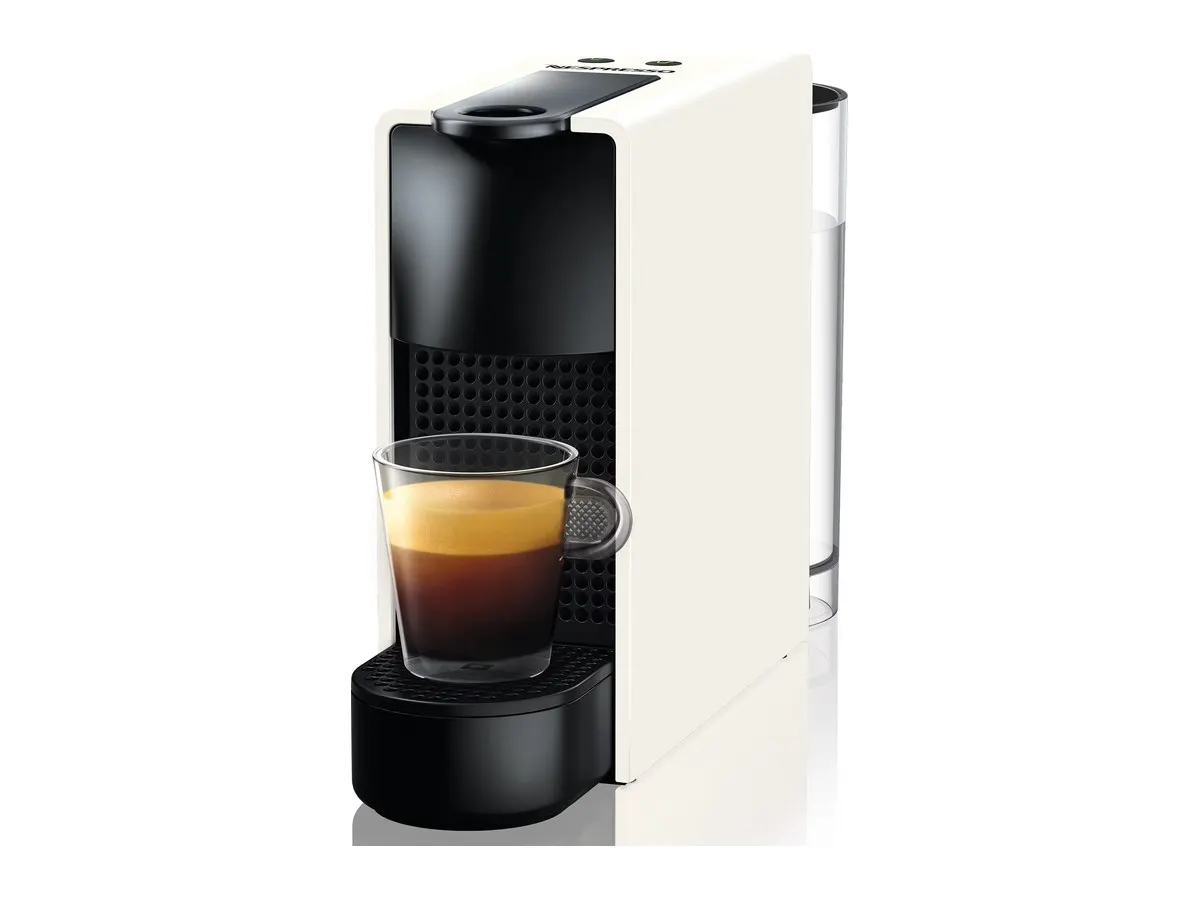
$189.99 on Nespresso US. Wirecutter's Nespresso pick, praised as compact, efficient, and easy to use. Nespresso lists two cup sizes (espresso 1.35 oz, lungo 3.75 oz) and a 20.3 oz tank. No milk frother.
Espresso: Bambino Plus + grinder
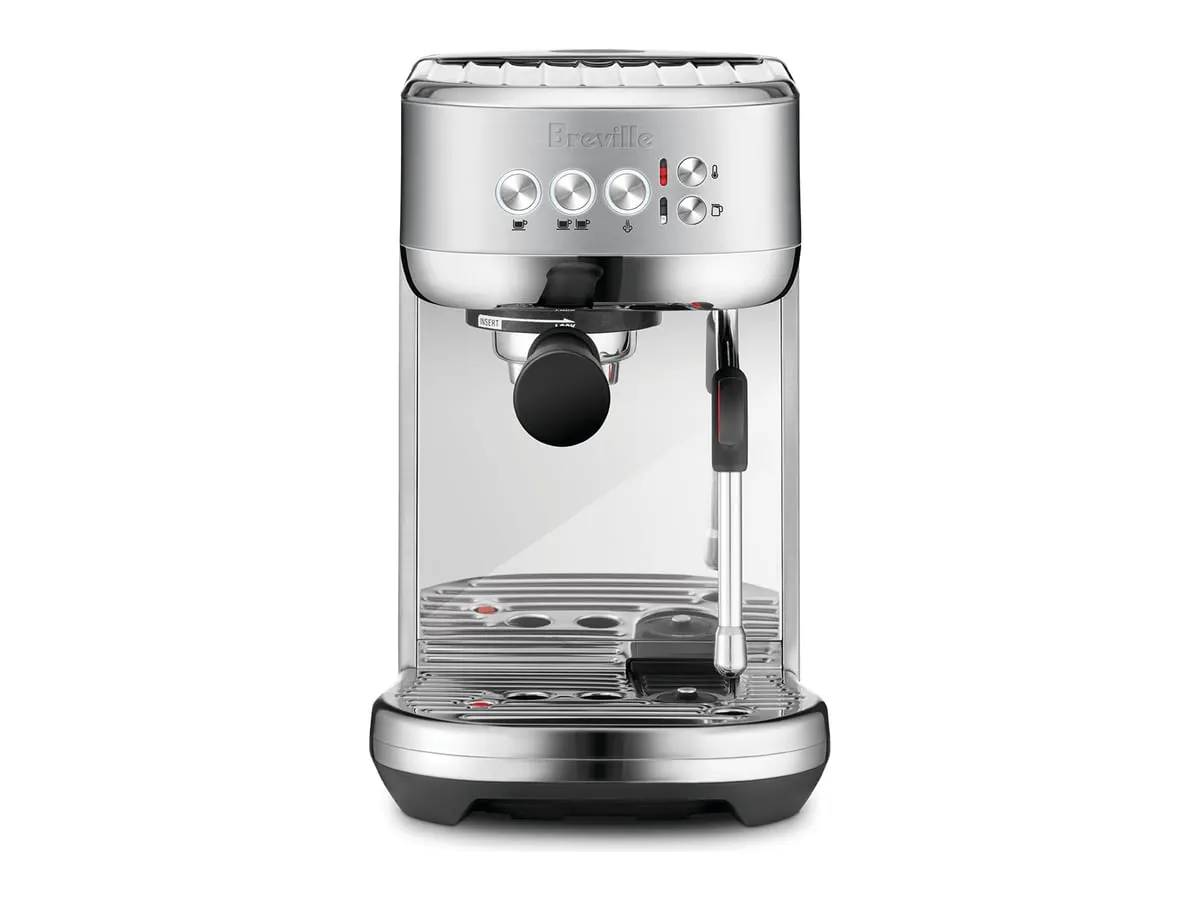
$499.95 machine (Serious Eats' favorite) + $199.95 Baratza Encore ESP = $699.90. Automatic milk steaming included.
Difference on day one: about $509.91. A cheaper espresso route — the Stilosa at $149.95 — narrows that but makes noticeably worse milk and shots.
Per-drink cost
- Nespresso-brand Original capsules: about $0.90 each (50-count variety pack at $45, per BrewSift's pod price index).
- Original-compatible capsules: from about $0.32 each in the same index.
- Vertuo capsules (a different, larger system): about $1.24–$1.40 each.
- Fresh beans: depends on what you buy. At Breville's 18 g double-shot dose, a 12 oz (340 g) bag makes about 18 doubles:
| If a 12 oz bag costs | Cost per double shot |
|---|---|
| $12 | $0.64 |
| $18 | $0.95 |
| $24 | $1.27 |
So a fresh-bean double costs about the same as one Nespresso-brand capsule, and more than a compatible capsule. Note the sizes differ: an Original-line espresso is a 1.35 oz single, while the espresso numbers above are for a double. An espresso machine is not mainly a way to save money over Nespresso; it's a way to get better coffee. It does save money versus a café — Serious Eats' example is someone "dropping $6 on lattes every day."
Taste and control
With an espresso machine you choose the beans, grind, dose, and shot length, and Serious Eats' guide is built around how much those variables matter. With capsules, those choices are made for you; the trade-off for consistency is less control over flavor. Most espresso machines also steam real microfoam, which a basic capsule machine like the Essenza Mini can't do on its own.
Effort and cleanup
- Nespresso: insert capsule, press a button, empty the used-capsule container (the Essenza Mini holds six, per Nespresso), descale occasionally.
- Espresso machine: grind, dose, tamp, pull, knock out the puck, purge the group head, wipe the steam wand, and backflush with detergent on schedule (Serious Eats).
A middle path
If you want café drinks without technique, a super-automatic such as the De'Longhi Magnifica Evo ($549.95 on sale) grinds fresh beans and froths milk at the push of a button. It costs more than a capsule machine, but per-drink cost is just beans and milk.
Related
Best espresso machines (hub) · Budget · Beginner · Under $500 · Under $1,000 · With a grinder · Compact · Semi-automatic · Super-automatic · Barista Express review · Breville vs Gaggia · De'Longhi vs Breville · Machine picker · Setup cost calculator
Sources
- Wirecutter — The Best Nespresso Machine (updated 5 Apr 2024)
- Nespresso US — Essenza Mini ($189.99; specs)
- BrewSift — Pod Price Index (catalog prices checked to 7 Nov 2026)
- Serious Eats — The 16 Best Espresso Machines (updated 17 Sep 2026)
- Baratza US — Encore ESP ($199.95)
- Breville Bambino Plus (BES500): Breville product page
- De'Longhi Magnifica Evo with LatteCrema (ECAM29084SB): De'Longhi product page
- De'Longhi Stilosa (EC260BK): De'Longhi product page